
The intensity of snow and ice disaster across southern China in 2008, , , 2008
Map operation
| > 20 | ||
| 10 ~ 20 | ||
| 7 ~ 10 | ||
| 5 ~ 7 | ||
| 3 ~ 5 | ||
| 2 ~ 3 | ||
| 1 ~ 2 | ||
| < 1 |
Forest freezing, rain and snow disaster prevention and reduction in southern China
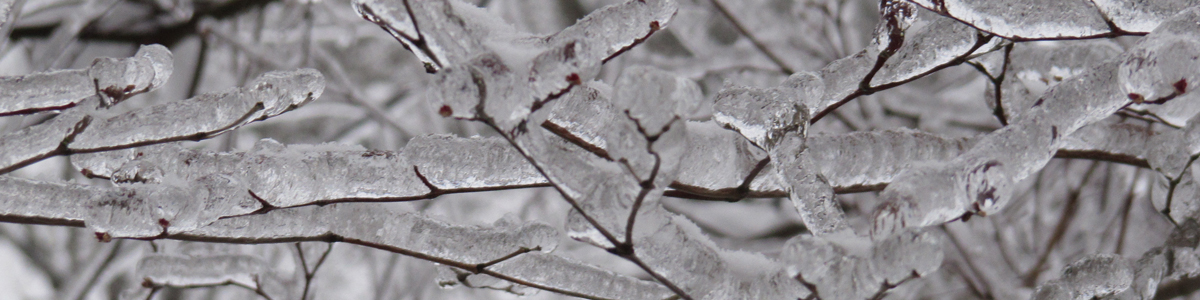
Tree damage caused by the ice-snow disaster can be divided into physical damage and physiological damage. Further, the physical damage could be classified as bending, tip breakage, branch breakage, crown breakage, splitting, stem breakage, dislodging (uprooting and overturning), etc. Trees suffering light damage like bending, and tip and branch breakage, could still grow normally; however, severe damage like splitting, uprooting and stem breakage could cause weak growth or even death. Physiological damage including cold injury of tips (25%–50% leaves withered and fallen, but with healthy branches and stems), branches (50%–75% leaves withered and fallen, most branches injured but with healthy stems) and cold mortality (75% leaves withered and fallen, branches and stems both injured). In the 2008 ice-snow disaster, the forest damage is mainly caused by the physical damage.
The information is provided from Disaster Risk Reduction Knowledge Service.